 KnowThis
Key Takeaways
Key Takeaways
- 1A home inspection report documents visible condition at one point in time — it's a snapshot for decision-making, not a certification that the home is defect-free.
- 2Standard home inspections generally don't cover certain issues (pest, radon, mold, sewer lines) unless separately requested as specialized inspections.
- 3An inspection contingency in the purchase contract is what actually gives a buyer leverage to act on the report's findings — the report itself doesn't automatically change the deal.
The concept
Because the report and the contingency clause are separate mechanisms, understanding what each one actually does is what prevents a buyer from either overreacting to a minor finding or underreacting to a significant one.
A home inspection report notes a small, isolated area of roof shingle wear that the inspector describes as within normal aging for the roof's age. Does this automatically entitle the buyer to a price reduction?
Worked examples
Example 1: A clean report on a well-maintained home (baseline case)
Example 2: A significant finding that falls outside standard inspection scope (edge case)
Example 3: Negotiating repairs using the inspection contingency (real-world / applied case)
Does a standard home inspection typically include testing for mold or radon?
How it works (visual)
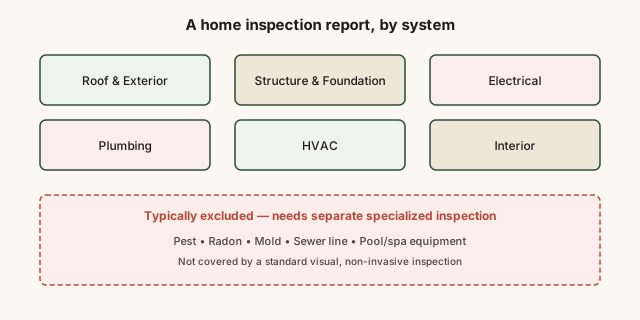
A report organized by system is what lets a buyer (or their agent) quickly separate cosmetic notes from findings serious enough to raise during an inspection contingency negotiation.
Common mistakes
Common Mistakes
Assuming a clean-looking home inspection report means the home has no significant issues at all.
→ Remember standard inspections are visual and non-invasive, and typically exclude items like pest, radon, mold, and sewer line condition — follow up on any specifically recommended specialized inspections.
Skipping or waiving the inspection contingency to make an offer more competitive, without understanding what's given up.
→ Understand that waiving the inspection contingency removes the structured ability to negotiate repairs or exit the deal based on inspection findings — weigh this tradeoff deliberately, not just to win a bidding situation.
Treating every item on the report as equally urgent.
→ Distinguish cosmetic or normal-wear notes from findings the inspector flags as significant or safety-related — most reports organize or rank findings by severity for exactly this reason.
Common misconception
“A passing home inspection means the home is guaranteed to be free of defects.”
A home inspection is a visual, non-invasive examination at one point in time, performed by a person who — however qualified — cannot see inside walls or predict future failures. It documents observable condition and flags concerns; it doesn't certify the property as defect-free, and it typically excludes several categories of issues that require separate, specialized inspections to evaluate.
What to do next
What to do next
- Confirm what a specific inspector's standard scope covers and what's excluded before scheduling.
- Attend the inspection in person if possible, to see issues firsthand and ask questions on the spot.
- Review the inspection contingency terms in the purchase contract — response window, and what remedies (repair, credit, withdrawal) it allows.
- Follow up on any recommended specialized inspections (pest, radon, sewer line, structural) rather than treating the general report as complete.
- Prioritize findings by severity rather than treating every noted item as equally significant.