 KnowThis
Key Takeaways
Key Takeaways
- 1Mediation uses a neutral third party to help both sides negotiate their own agreement — the mediator has no power to force an outcome, and either side can walk away.
- 2Arbitration uses a neutral third party (or panel) who hears evidence from both sides and then issues a decision, similar to a judge — and that decision is usually binding, with very limited grounds for appeal.
- 3Which one applies to a given dispute is often decided in advance by a contract clause (common in employment, service, and credit card agreements), not chosen freely at the time of the dispute.
The concept
Working through how each process actually plays out — and where the choice between them typically gets made — clarifies why the label on a contract clause matters long before any dispute happens.
What is the key structural difference between mediation and arbitration?
Worked examples
Example 1: A landlord-tenant disagreement resolved through mediation (baseline case)
Example 2: A workplace dispute governed by a mandatory arbitration clause (edge case / variation)
Example 3: A business contract that specifies arbitration for one type of dispute but not another (real-world / applied case)
Why might someone be bound to arbitrate a dispute even though they never separately agreed to it for that specific disagreement?
How it works (visual)
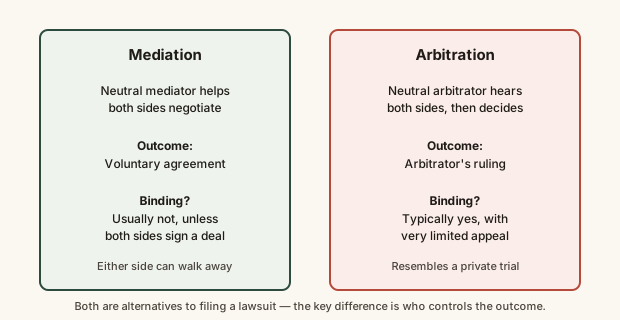
The visual difference is really a difference in control: mediation keeps the pen in the parties' hands, while arbitration hands the pen to someone else.
Common mistakes
Common Mistakes
Assuming mediation and arbitration are interchangeable terms for the same process.
→ Remember the core distinction: mediation helps you reach your own agreement, while arbitration has someone else decide the outcome for you.
Signing a contract without checking whether it contains a mandatory, binding arbitration clause.
→ Read the dispute-resolution section of any significant contract before signing, and understand that it may waive your right to sue in court for certain disputes.
Assuming a binding arbitration decision can be appealed the same way a court ruling can.
→ Recognize that binding arbitration awards are enforced by courts with only narrow grounds for appeal — courts generally won't re-examine the merits of the arbitrator's decision.
Common misconception
“Going to mediation means you have given up your right to later file a lawsuit if it doesn't work out.”
Mediation is generally non-binding unless both sides sign a settlement agreement — if mediation doesn't resolve the dispute, the parties typically retain their right to pursue other options, including a lawsuit, unless a specific contract or court rule says otherwise.
What to do next
What to do next
- Check any relevant contract (employment, service, credit card, terms of service) for a dispute-resolution clause before assuming a lawsuit is your only option.
- If a clause requires arbitration, note whether it says "binding" and read what it says about who pays arbitration fees.
- Consider mediation first for disputes where an ongoing relationship (a landlord, a business partner, a family member) makes preserving goodwill valuable.
- Consult a licensed attorney before agreeing to arbitrate a significant dispute, since arbitration can affect your appeal rights in ways that are hard to reverse.