 KnowThis
Key Takeaways
Key Takeaways
- 1The core mechanism of a consent form is whether it's opt-in (you must affirmatively agree before collection starts) or opt-out (collection happens by default unless you decline) — that structural difference matters more than the wording around it.
- 2A pre-checked consent box functions very differently from an unchecked one, even if the surrounding text is identical, because it shifts the default outcome for anyone who doesn't read carefully.
- 3Which specific privacy protections apply to a given form of data collection often depends on jurisdiction and data type, not a single universal rule.
The concept
Because the default setting does most of the real work, learning to spot whether a specific checkbox starts checked or unchecked is one of the most practically useful privacy literacy skills there is.
Two apps disclose the exact same data-sharing practice with third-party advertisers in their privacy policy. App A requires users to check an unchecked box to allow it. App B has the box pre-checked, requiring users to uncheck it to decline. What's the most likely practical outcome?
Worked examples
Example 1: An opt-in newsletter signup (baseline case)
Example 2: A pre-checked data-sharing box (edge case / variation)
Example 3: Sensitive data requiring stricter consent (real-world / applied case)
Why might a fitness app collecting heart rate data need a more explicit, separate consent step than an app collecting only a username and email address?
How it works (visual)
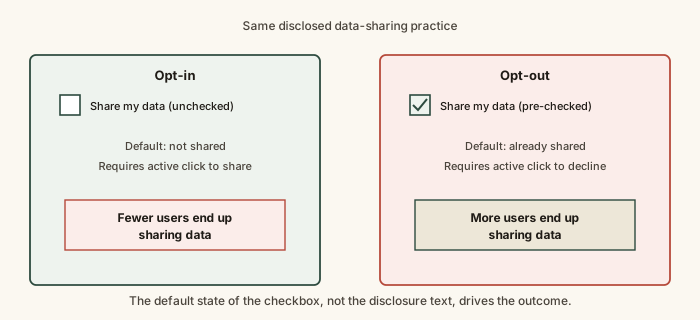
The disclosed practice can be identical on paper; the practical outcome for how much data actually gets shared is shaped heavily by which of these two mechanisms is used.
Common mistakes
Common Mistakes
Skimming a consent form for tone and length rather than checking whether checkboxes start checked or unchecked.
→ Look specifically at the default state of any checkbox — that single detail often matters more to your actual privacy outcome than the surrounding text.
Assuming every jurisdiction and data type is subject to the exact same privacy consent requirements.
→ Recognize that sensitive categories (health, financial, children's data) and different regions often carry distinct, sometimes stricter, requirements than general consumer data.
Treating a long, detailed privacy policy as automatically more protective than a short one.
→ Focus on the actual consent mechanism and specific data-use permissions granted, not the length of the accompanying explanatory text.
Common misconception
“If a privacy policy discloses a data practice somewhere in the text, that alone means users have meaningfully consented to it.”
Disclosure and meaningful consent aren't the same thing — a practice buried in dense policy text with a pre-checked default checkbox produces a very different real-world outcome than the same practice presented as a clear, unchecked, opt-in choice. The mechanism through which agreement is captured shapes the actual result at least as much as whether the practice was technically disclosed somewhere in the document.
What to do next
What to do next
- Check the default state of any consent checkbox before submitting a form — unchecked generally favors your privacy more than pre-checked.
- Look specifically for how sensitive data categories (health, financial, biometric) are handled, since these often carry distinct consent requirements from general account data.
- Revisit account privacy settings periodically, since some services add new data-sharing options over time that may default to opt-out.
- For a service handling especially sensitive personal data, consider whether the consent process is a clear, standalone opt-in rather than bundled into a broad general agreement.